
Introduction
In episode number 2 we are going to look at the Branch Chained Amino Acid [BCAA] – Valine.
What is Valine? What is it’s role?
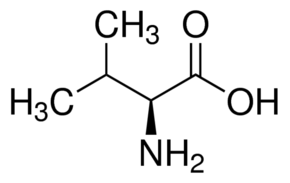
Valine is an aliphatic and an extremely hydrophobic essential acid in humans related to leucine, Valine is found in many proteins, mostly in the interior of globular proteins helping to determine three-dimensional structure. Valine is one of three branched-chain amino acids, meaning it has a a chain branching off to one side of its molecular structure. A glycogenic amino acid, valine maintains metal vigor, muscle coordination, and emotional calm. From a plant based perspective, Valine is found in Soy and vegetables [Legumes, Spinach, Brocolli, Seeds]. Valine supplements are used for muscle growth, tissue repair and energy.
Getting the right balance
It is important to ensure you get the right amount of Valine in your diet as it will help prevent muscle loss. There have been studies that have found that older adults on bed rest who received 15 grams of mixed essential amino acids maintained muscle protein synthesis, while the process decreased by 30% in the placebo group. It is also found that Valine can boost exercise performance. A past study shown that amino acid supplements had an increased effect in exercise performance in trained athletes and reduced muscle soreness, compared to the placebo group.
Recommendations
The US daily reccomendation daily allowance for Valine [BCAA] is 24mg per 2.2 pounds [1KG] of body weight.
Plant based foods in Valine
Tofu – 870mg per 100g
More Soy Foods High in Valine
- Tempeh
- Cooked Soy Beans [Edamame]
- Natto
- Soybean Sprouts
- 8oz Cup of Soy Milk
Navy Beans – 504mg per 100g
Podded Beans – 342ng per 100g
More Vegetables High in Valine
- Green Peas
- Mashed Sweet Potatoe
- Spinach
- Mushrooms
- Asparagus
Seeds [Squash/ Pumpkin seeds] – 1559 per 100g
Oatmeal – 160mg per 100g
More Wholegrains High In Valine
- Kamut
- Wild Rice
- Millet
- Brown Rice
- Pasta
- Couscous
 Vegan Blog