Eating The Rainbow – Detailed Overview [Reds]

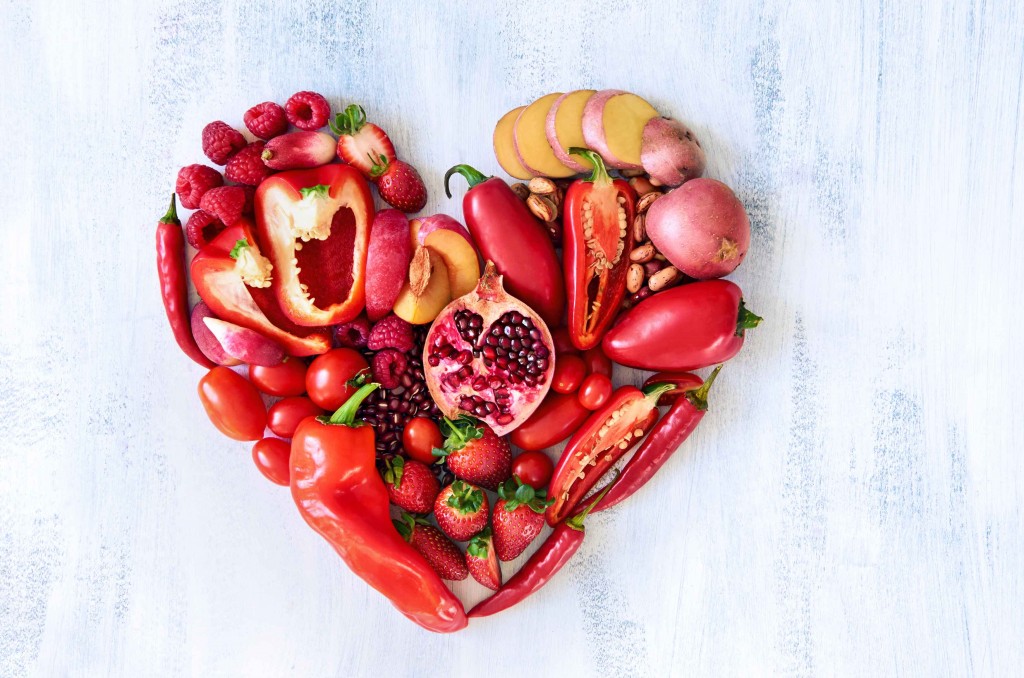
Red fruits and vegetables don’t just share the same colour as your Heart – they protect it. Foods that come from plants contain Phytonutrients – chemicals that can support us in many different ways. Among many benefits, the main purpose of Red fruit and vegetables is that they help regulate blood pressure and fight against cancers.

What are Phyotnutrients?

Phytonutrients are chemicals that help plants thrive and protect their selves against predators. Phytonutrients have many different health benefits to us, so it is extremely important you have a good variety of fruits and vegetables in your body to ensure you get a good variety.

What Phytonutrients are in red fruit and vegetables?

In red fruit and vegetables you’ll find Phytonutrients known as anthocyanins, ellagic acid and lycopene. You can read more about them in the table below. Together, they help in supporting your Heart, Joints, Skin and Eyes and they also help fight against cancer in several ways.
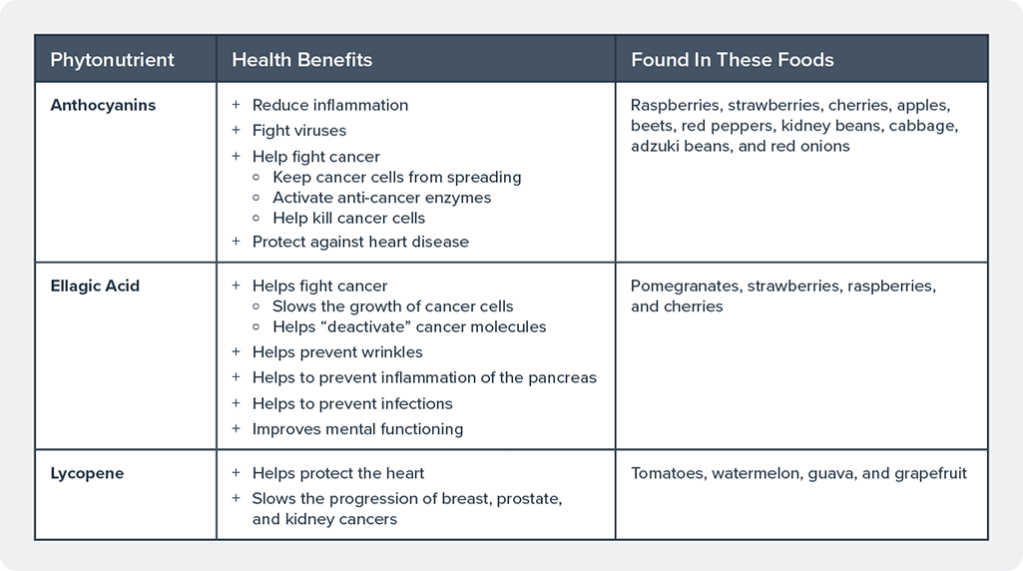
What benefits do red fruit and vegetables have?

They help fight Heart Disease

  • Lycopene can help keep Fat away from the intestines and blood vessels – keeping it from the Heart.
  • Red food contains electrolytes, that being minerals such as Potassium, Megnesium, and Sodium that support your body fluid levels. This helps regulate your blood pressure.

They Help Fight Cancer

  • Red foods help reduce the production of cancer cells
  • They remove free radicals – toxins in the body which may turn cancerous
  • They can slow the growth of tumours

Other Benefits

  • Reduce inflammation
  • They enhance the immune system by acting as antimicrobial agents (fighting bacteria and virsuses)
  • They help regulate hormones such as estrogen and insulin
  • They act as protection to the skin, hair and nails because they contain vitamins A & C
Why Uphill Running Is Better – Basic Overview

Helps you build speed and stamina

Not only is running at an incline great for your stamina, it will also help build strength in your leg muscles.

Calories burnes running at incline

Experts suggest that uphill running can burn between 800-1400kcal per hour. The heavier a person is, the more calories that person will burn. So if your goal is to lose weight – start running uphill!

Muscles worked running on incline

Uphill running/ sprinting enhances muscular endurance and strength because of the major of the body must work harder when working uphill. The muscles targeted when running uphill are: Glutes, Hamstrings, Quadriceps, Calves, Core and Upper Body, and similar to training allows you to build more muscle and lose fat.

Building up your cardiovascular endurance

When running uphill your heart and lungs will reap the benefits by becoming much stronger. Overcoming the demands of running uphill will help you become a more efficient runner, by strengthening the lungs and working at a higher intensity will help strengthen the heart.

Running uphill prevents shin splints

Running on flat ground or downhill puts more stress on the shin bones, thus causing shin splints. Running uphill is less stressful on your shins, as you naturally push off the ground hard, you use your hips more than your shins running uphill.

Eating the rainbow – a simple overview

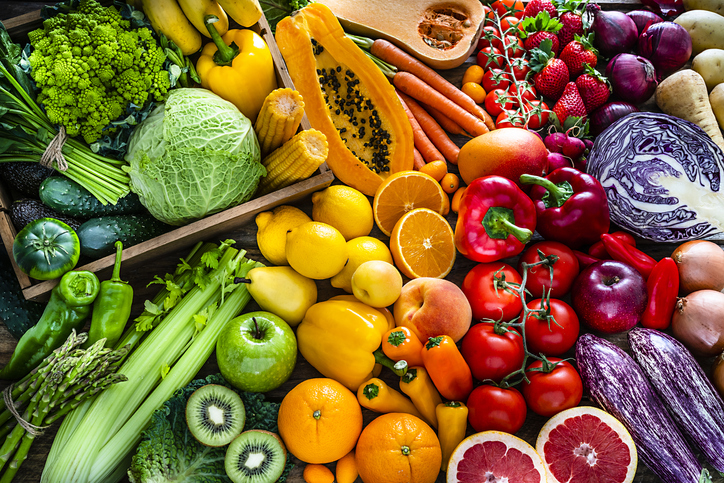
One of the simplest ways to get all the right nutrients in your body is by eating the ‘rainbow’ – yes it’s exactly what you’re thinking, nature has it’s own coding system with each colour representing a different vitamin, and it is easily the best way to remember to get all your nutrients in without overthinking “did i get my vitamin A in today?”

Red – Lycopene/ anthocyanin

Benefits

  • Disease prevention
  • Heart health
  • Urinary health
  • Eye health

Best sources

  • Tomatoes
  • Beets
  • Watermelon
  • Strawberries
  • Raspberries

Orange/ yellow- Beta carotene

Benefits

  • Healthy skin
  • Healthy eyes
  • Supports immune system

Best sources

  • Sweet potatoes
  • Carrots
  • Butternut squash
  • Cantaloupe
  • Red/ orange/ yellow peppers

Green – lutein and indoles

Benefits

  • Lower risk of some cancers
  • Improves eye health

Best sources

  • Kale
  • Spinach
  • Brocolli
  • Brussels sprouts

Purple/ blue – anthocyanins/ flavonoids

Benefits

  • Improves cognitive function
  • Supports immune system
  • Supports bone health
  • Urinary health

Best sources

  • Purple cabbage
  • Eggplant
  • Blueberries
  • Concord grapes
  • Blackberries

White – allyl sulfides

Benefits

  • Supports immune system
  • Lymph and heart health

Best sources

  • Garlic
  • Cauliflower
  • Onions

Is a vegan diet detrimental to endurance and muscle strength?

Bourtos et al. [2020] study had 56 participants of female physically active vegans and omnivores aged between 18-35, both groups completed muscular strength [leg press and chest press] and submaximal endurance cycling testing set at 70% of their peak maximal power.

Study overview

Vegan diets have become extremely popular in recent years and now with Athletes taking a vegan approach to their diet we will review some recent research to see if a vegan diet will have similar benefits to an omnivore diet.

Results overview

The vegan group had been on a vegan diet for at least 2.4 years whereas, the omnivores were meat eaters for their entire life. Vo2 max amongst the vegan group was significantly higher compered to the omnivores. There was no significant differences amongst both groups in muscular strength testing [no group shown to be stronger]

Discussion

It isn’t the first time physically active vegans have shown to have a better vo2 max compared to those of an omnivore diet. It is suggested that vo2 max may be higher in vegans because of a higher carbohydrate intake. Evidence has suggested that higher carbohydrate intake may be associated to greater endruance performance and this could be due to higher muscle glycogen storage. Other potential mechanisms that potentially suggest better endurance performance in vegans could be due to favourable oxidative stress and inflammation profiles.

Frequently asked questions about veganism

Over time I am going to be answering the most asked questions about veganism. There is no better way to start off with the most famous question of the bunch – Where do you get your protein from?”

Well, pretty simple… EARTHS FOOD! Of course, it’s not as simple as eating a 16oz steak, however, have you ever wondered where the protein in that slab of meat gets their protein source from? Let’s not get it twisted, eating a plant based diet will always be difficult to get a variety of essential amino acids/ proteins in and yes you will have to each larger portions… But more food, more fun! Right?

Vegan Protein Shakes

Struggling to get your good variety of protein in your Vegan meals? Well, struggle no more! Here is my favourite protein shake to use to enhance and support performance.

Vega Clean Protein Shake

Vega Protein has a complete amino acid profile, including all your BCAA, it supports the development of lean muscle growth all from plant-based sources giving you the strength to thrive! Vega Essentials is full of minerals and vitamins straight from fruit and vegetables, this protein shake contains nothing synthetic, nothing nasty, real food from the apple off the tree straight from the spinach leaf. A simple scoop can be taken and mixed directly into your porridge and shake to fuel your hectic day.

Here’s how Vega Protein is the perfect protein shake:

  • Low in sugars and high in protein [25g of complete, multi source protein]
  • A complete amino acid profile with 4g of BCAAs.
  • Protein-digesting enzyme, sourced from pineapple

Why you should chose Vega Clean Protein

  • Mixes relatively easy
  • Takes just seconds to get a nice consistency
  • A nice sweetness to it
  • A slight nutty taste
  • Thrives with all plant based milks
  • Great for people[s] wanting to build, strength and repair muscle tissue
  • Low calorie count [130 per-serving]

Ingredient breakdown

  • The protein sources from Vega protein come from pea protein, hemp protein, pumpkin seed protein, and alfalfa protein
  • Vega protein is free from Gluten, Dairy, and Soy
  • Stevia extract is the secret ingredient which adds sweetness

Amino acid breakdown for vegans – blog #2 Valine (BCAA)

Introduction

In episode number 2 we are going to look at the Branch Chained Amino Acid [BCAA] – Valine.

What is Valine? What is it’s role?

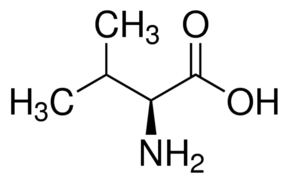
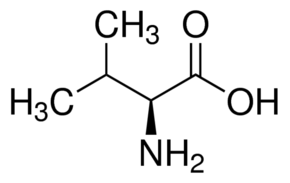
Valine is an aliphatic and an extremely hydrophobic essential acid in humans related to leucine, Valine is found in many proteins, mostly in the interior of globular proteins helping to determine three-dimensional structure. Valine is one of three branched-chain amino acids, meaning it has a a chain branching off to one side of its molecular structure. A glycogenic amino acid, valine maintains metal vigor, muscle coordination, and emotional calm. From a plant based perspective, Valine is found in Soy and vegetables [Legumes, Spinach, Brocolli, Seeds]. Valine supplements are used for muscle growth, tissue repair and energy.

Getting the right balance

It is important to ensure you get the right amount of Valine in your diet as it will help prevent muscle loss. There have been studies that have found that older adults on bed rest who received 15 grams of mixed essential amino acids maintained muscle protein synthesis, while the process decreased by 30% in the placebo group. It is also found that Valine can boost exercise performance. A past study shown that amino acid supplements had an increased effect in exercise performance in trained athletes and reduced muscle soreness, compared to the placebo group.

Recommendations

The US daily reccomendation daily allowance for Valine [BCAA] is 24mg per 2.2 pounds [1KG] of body weight.

Plant based foods in Valine

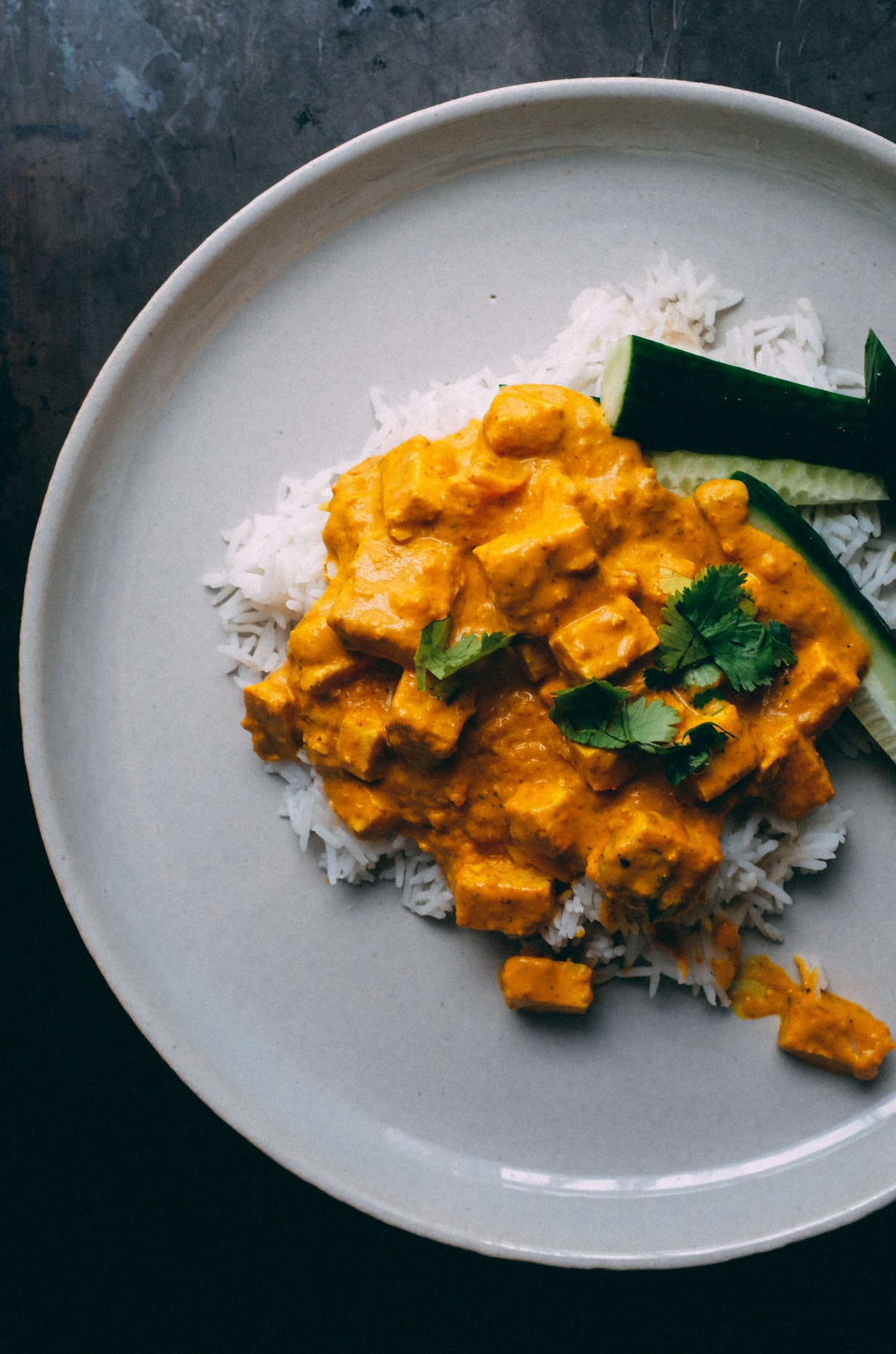
Tofu – 870mg per 100g

More Soy Foods High in Valine

  • Tempeh
  • Cooked Soy Beans [Edamame]
  • Natto
  • Soybean Sprouts
  • 8oz Cup of Soy Milk

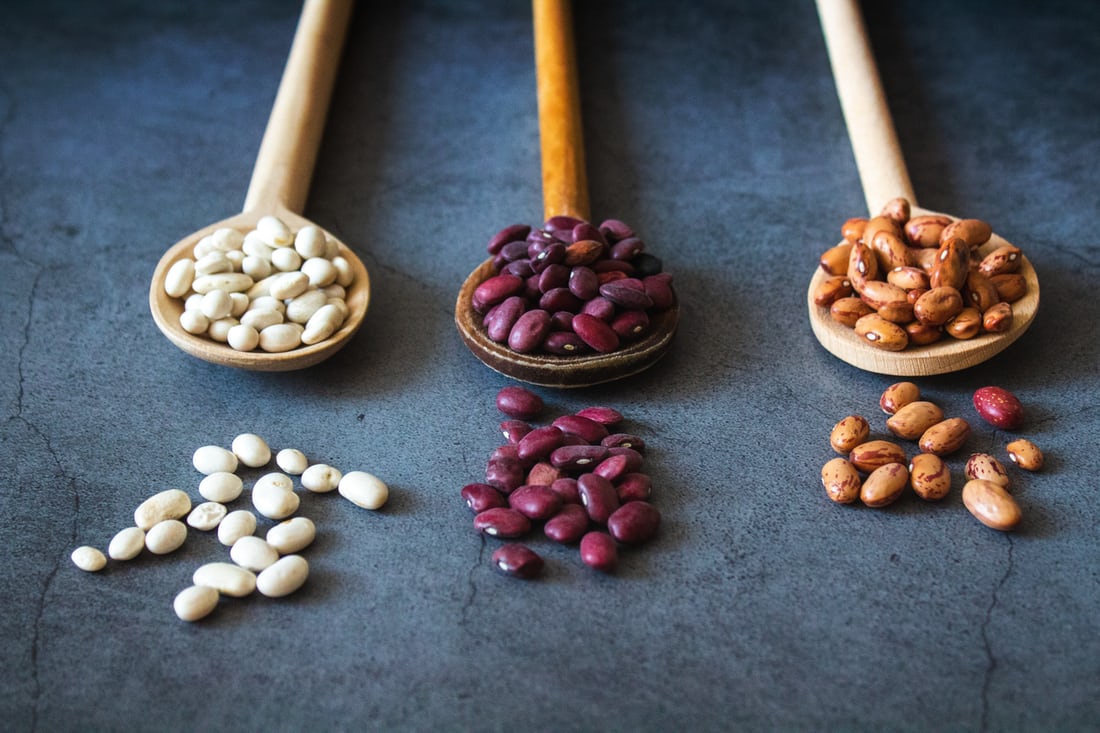
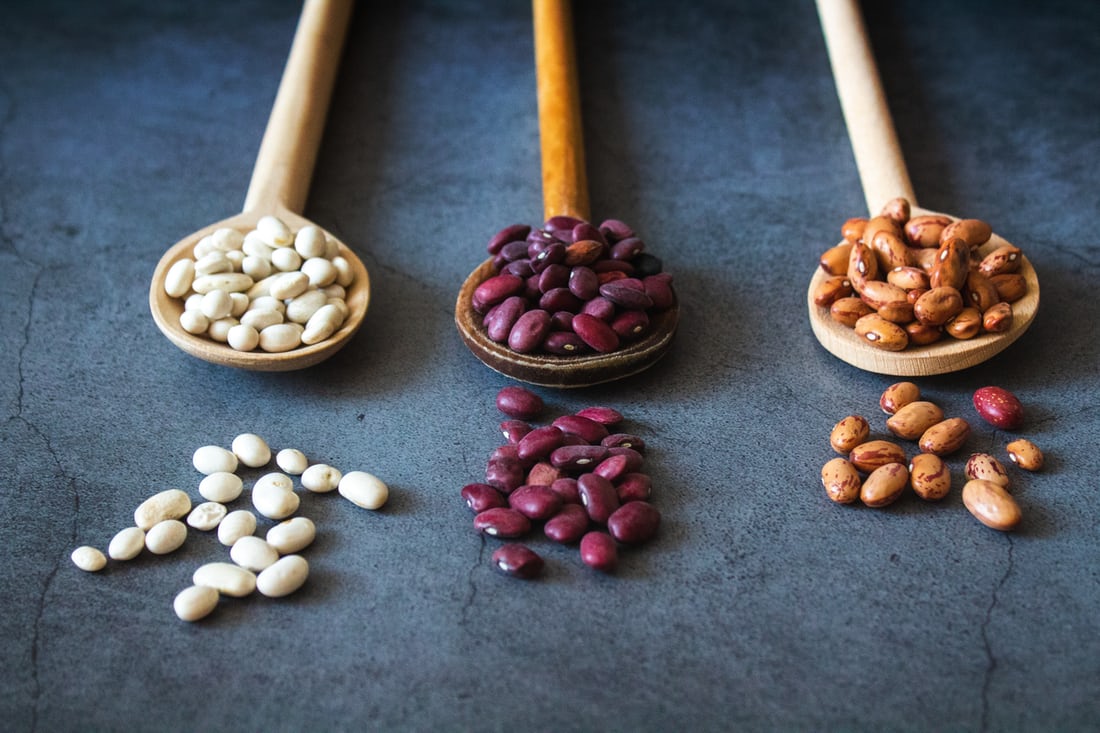
Navy Beans – 504mg per 100g

Podded Beans – 342ng per 100g

More Vegetables High in Valine

  • Green Peas
  • Mashed Sweet Potatoe
  • Spinach
  • Mushrooms
  • Asparagus

Seeds [Squash/ Pumpkin seeds] – 1559 per 100g

Oatmeal – 160mg per 100g

More Wholegrains High In Valine

  • Kamut
  • Wild Rice
  • Millet
  • Brown Rice
  • Pasta
  • Couscous

Amino acid breakdown for vegans – Blog #1 Histdine

Introduction

In this nine episode blog I am going to introduce the nine essential amnio acids the body needs for optimal health and maintenance for regular, effective functioning. This nine blog episode is targeted to current and future vegans who are concerned they’re not eating the right amounts of proteins or getting their essential amnio acids.

In episode number #1 we are going to look at Histdine.

What is Histdine? What is it’s role?

Histdine is responsible for keeping normal pH of 7 in the body by shuttling protons to maintain an acid/ base balance in tissue and blood. Histdine is also vital in Hemoglobin, the molecule that helps to shuttle oxygen around the body.

Fundamentals

Histdine is one of the 9 most important amino acids that humans must get from their diet. Histdine acts as a natural anti-inflammatory, antioxidant and anti-secretory within the body.

Getting the right balance

It is important to ensure you get the right balance of Histdine in your diet as it is important during development phases and throughout life. Deficiency in Histdine can pose problems for regular functioning of the systems in the body.

Reccomendation

The US recommendation for Histdine intake is 14 mg per 1kg of weight.

Plant based foods in Histdine

Tofu – 431mg per 100g

Canned Navy Beans – 207mg per 100g

Seeds (Squash &pumking seeds) – 770mg per 100kg

Other nuts high in Histdine: hemp seeds, almonds, sunflower seeds, pistachio nuts, chia seeds and flax seeds)

Whole wheat pasta – 140mg per 100g

Other sources include – Rice, Legumes, Potatoes and Cantalope.